In the world of visual art, one of the most critical elements that can transform an image from ordinary to exceptional is light. Whether it illuminates a natural landscape or enhances the details in a studio setting, light plays a foundational role in shaping our perception of any captured scene. Understanding its role and mastering its manipulation is essential for anyone looking to enhance their craft.
Natural light, often referred to as the best source, offers a dynamic range of possibilities. Early morning and late afternoon, popularly known as the golden hours, provide a soft, warm light that lends a gentle glow to subjects. This type of light helps to eliminate harsh shadows, often resulting in images with a balanced exposure and mood. Overcast days, on the other hand, provide a softbox effect, where the clouds act as a natural diffuser, scattering sunlight evenly and reducing contrast in a scene. Both can be used creatively to highlight specific emotions or elements within a composition.
In contrast, the midday sun can present challenges with its harsh, direct light. Though it can produce high contrast and well-defined shadows, it often requires careful positioning or the use of additional tools like reflectors and diffusers to control the light’s intensity. These tools help soften shadows and redistribute light, ensuring that the subject is evenly lit, with details preserved in both the highlights and shadows.
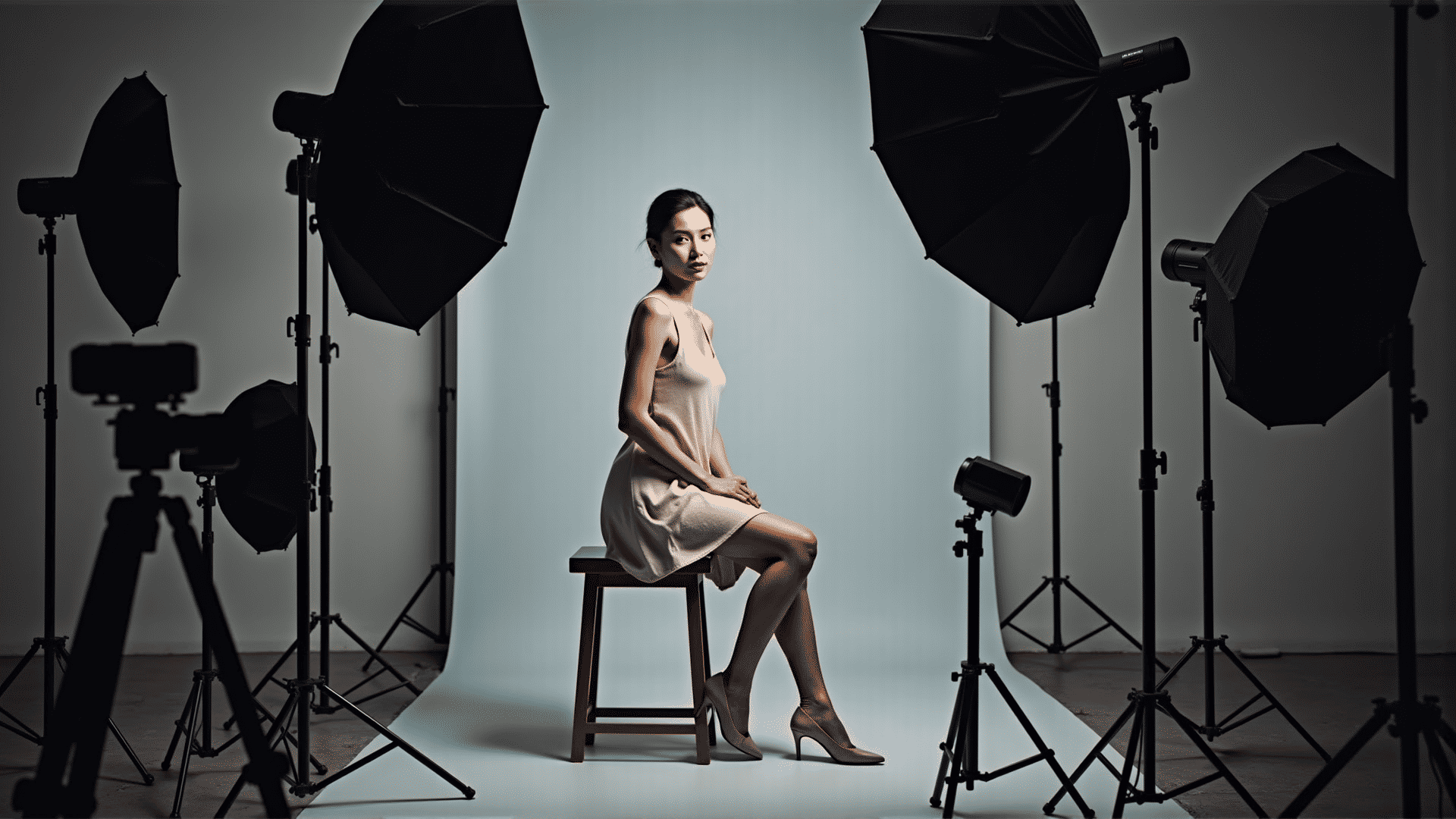
For those working in controlled environments, studio setups offer an endless palette of creative options. Artificial lighting allows precise manipulation, enabling artists to recreate any number of natural conditions or to invent entirely new ones. Key lights, fill lights, and backlights are essential components of studio setups and can be adjusted in brightness, angle, and color temperature to craft the desired atmosphere and depth. Softboxes and umbrellas help diffuse light, aiming to mimic the gentle spread of natural daylight, while reflectors can redirect and conserve light, adding subtle highlights where needed.
Beyond the technical aspects, lighting in visual art is as much about artistry as it is about illumination. The interplay of light and shadow can evoke mood, convey texture, and guide the viewer’s attention within a frame. For instance, the chiaroscuro technique, characterized by bold contrasts between light and dark, has been used throughout history to add drama and focus to visual art.
Each element of illumination—whether a shaft of sunlight peeking through a dense forest canopy or a meticulously arranged studio setup—serves as a tool for storytelling. The skillful use of light can make the difference between an image that merely captures a scene and one that tells a compelling narrative.
In conclusion, light is not merely a necessity but a pivotal element in crafting visual narratives. By developing a keen understanding of its qualities and learning to manipulate its nuances, artists can significantly enhance the impact of their work, creating images that resonate, captivate, and inspire.