Understanding the art behind capturing stunning images involves more than simply pressing a button. It is a skill that requires a nuanced understanding of light, composition, and various techniques. By mastering these elements, you can transform ordinary pictures into compelling works of art.
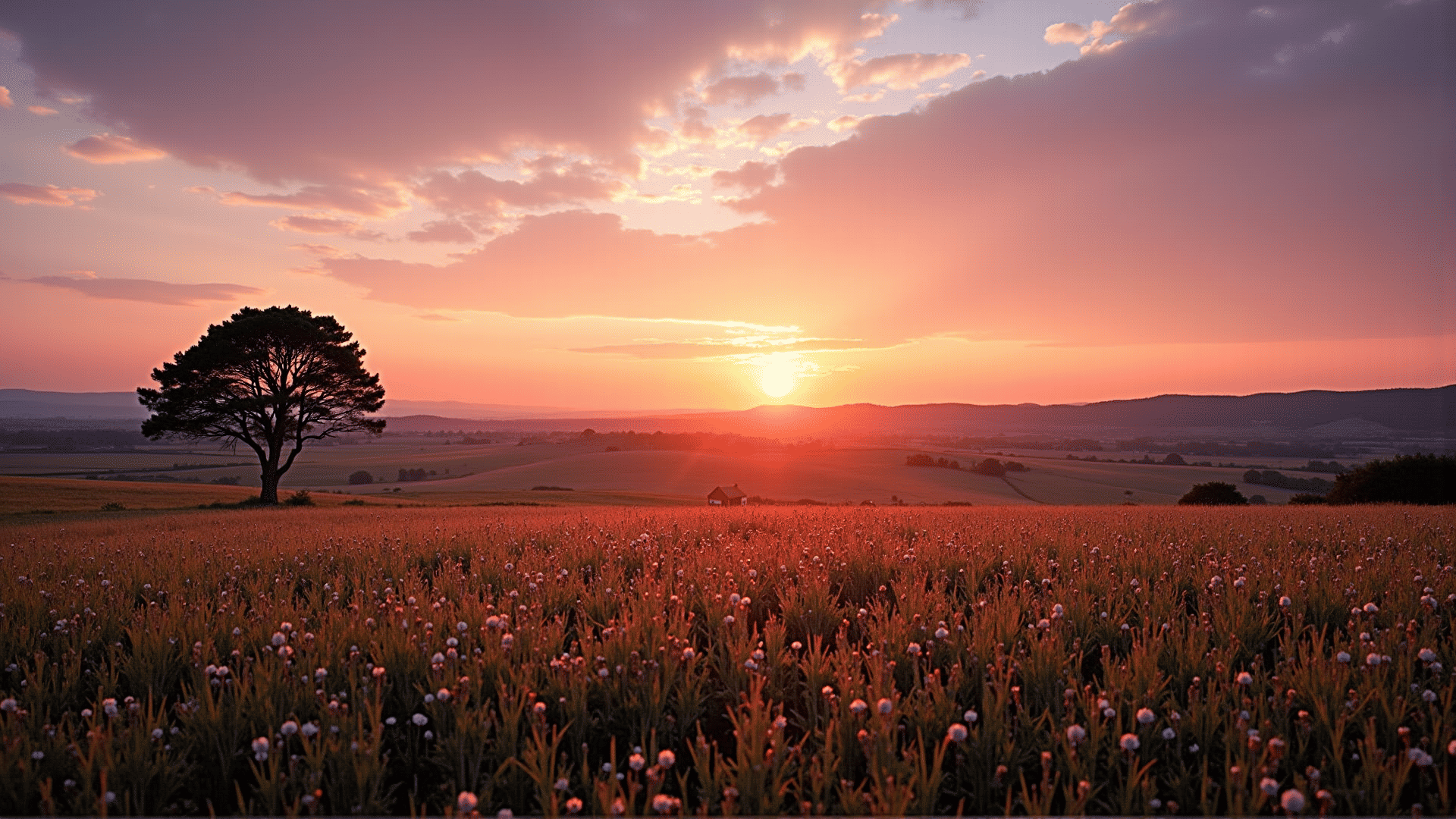
At the core of this craft is light. Light can dramatically alter the mood, tone, and feel of your photos. Learning to manipulate natural and artificial light to your advantage can significantly improve your shots. Pay attention to how light interacts with your subject, whether it’s the warm glow of the golden hour or the sharp contrasts created by harsh midday sun.
Alongside light, composition plays a pivotal role in photography. The rule of thirds is one of the most fundamental principles, suggesting that your image is most visually appealing when the main subject is positioned off-center, dividing the frame into nine equal parts. This technique encourages movement across the image and places emphasis on the subject.
Equally important is the use of leading lines, which are natural lines in a scene that guide the viewer’s eye toward the subject. This could be a road, a river, or even a line of trees. Leading lines not only add depth but also draw attention to your focal point, creating a narrative within the frame.
Another technique is managing depth of field, which refers to the range of distance that appears acceptably sharp. A shallow depth of field, achieved with a wider aperture, isolates the subject by blurring the background, creating a more dramatic effect. Conversely, a greater depth of field keeps both the foreground and background in focus, useful for landscape photography.
Understanding color theory also enhances the artistry of your images. Colors can evoke emotions and set the mood, from warm tones that bring a sense of comfort to cooler tones that create tranquility. Complementary colors can add vibrancy, making your images more dynamic.
For those seeking to elevate their photography, experimenting with different perspectives is invaluable. Shooting from high above or getting low to the ground can offer fresh and unexpected views of a subject. This change in angle can transform common scenes into something remarkably distinct.
One must also remain patient and observant. Photography is as much about waiting for the perfect moment as it is about setting up the perfect shot. Whether you’re capturing the early morning mist, the bustling energy of a city street, or the serenity of a secluded beach, patience and observation allow you to seize fleeting moments that tell compelling stories.
Practice is the ultimate key. Continuous experimentation and persistence are essential in developing your own style. The more you shoot, the more adept you become at identifying what works and what doesn’t, allowing you to refine your craft consistently.
In conclusion, mastering photographic techniques requires a harmonious blend of technical skill and artistic vision. By honing your understanding of light, composition, perspective, and color, you can create images that not only capture the essence of a moment but also captivate those who view them. Each photograph becomes a testament to the timeless art form that speaks louder than words.