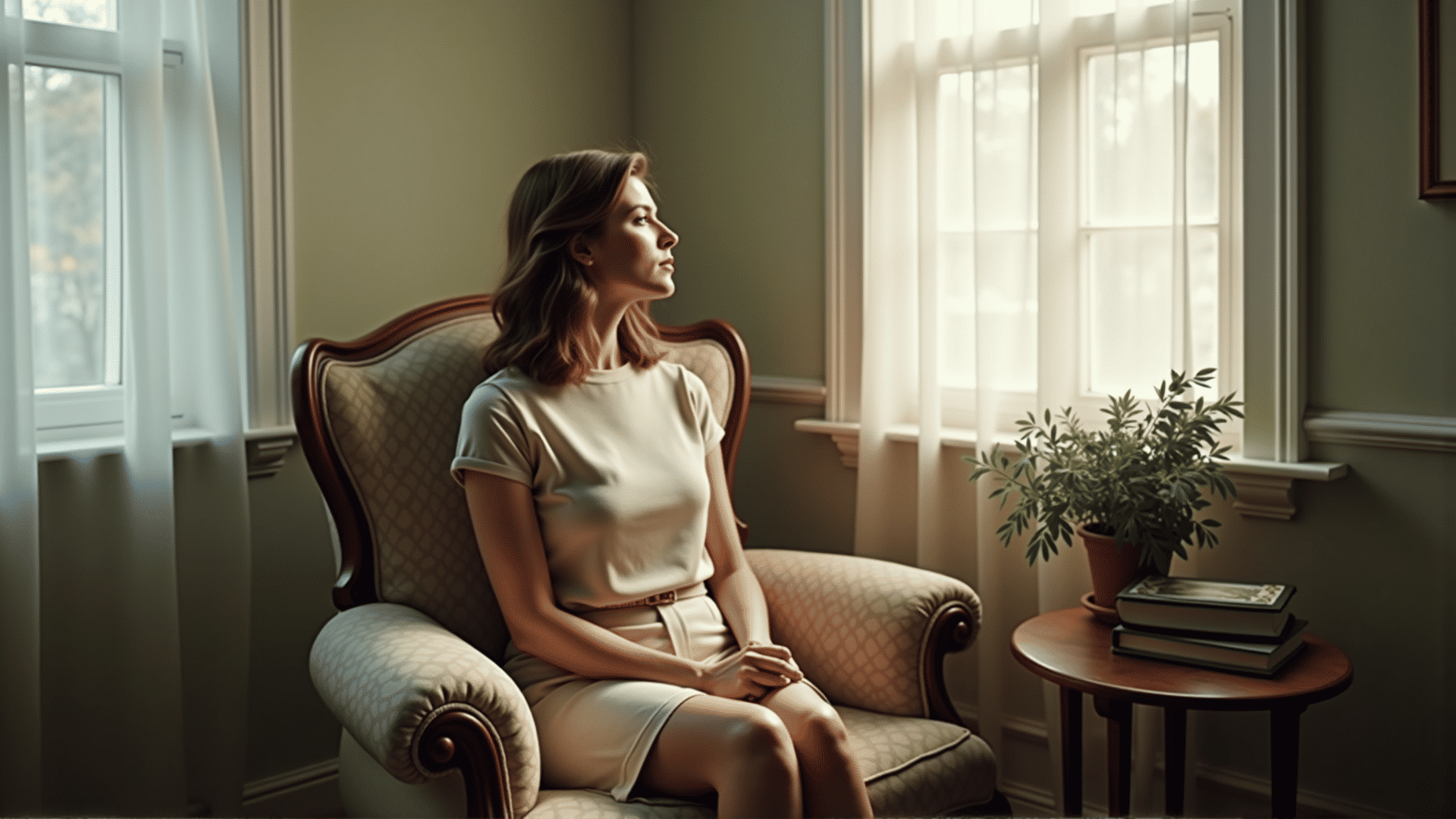
Lighting is undeniably one of the most pivotal elements in creating compelling photographs. It not only affects the ambiance and emotion of an image but also determines its clarity, contrast, and depth. Understanding how to harness both natural and artificial light can drastically elevate the quality of your pictures.
Natural illumination, with its constantly changing patterns, offers a diverse palette to work with. The golden hour, which refers to the period shortly after sunrise or before sunset, bathes scenes in warm, soft light that minimizes harsh shadows, creating a dreamy atmosphere ideal for portraits and landscapes. On the other hand, overcast days cast a diffused light that is perfect for softening subjects' features, making it a preferred condition for capturing detailed shots without glaring highlights.
When working indoors or when natural light is insufficient, artificial sources become crucial. Flash units, continuous lights, and LEDs are some of the tools photographers use to control the intensity and direction of light. The key is to balance them in a way that doesn’t overpower the scene but instead complements the subject. Bounce light off walls or ceilings to create a softer effect, or employ reflectors to fill in shadows for a well-rounded composition.
Creative uses of illumination can bring uniqueness to a photograph. Backlighting can transform a mere silhouette into a dramatic focal point, adding intrigue to the frame. Rim lighting, which involves placing a light source behind the subject, can outline them in a soft glow, bringing attention to their form and adding depth to the image. With side lighting, texture and dimension are enhanced, revealing the intricacies that might otherwise remain unnoticed.
In essence, mastery over lighting is both an art and a science. It requires experimentation and a keen eye to identify how different types and sources of light impact the mood and clarity of a photograph. As you continue to explore and practice, you'll find that lighting doesn’t just illuminate your subjects, but can also illuminate your path to becoming a more proficient visual storyteller.